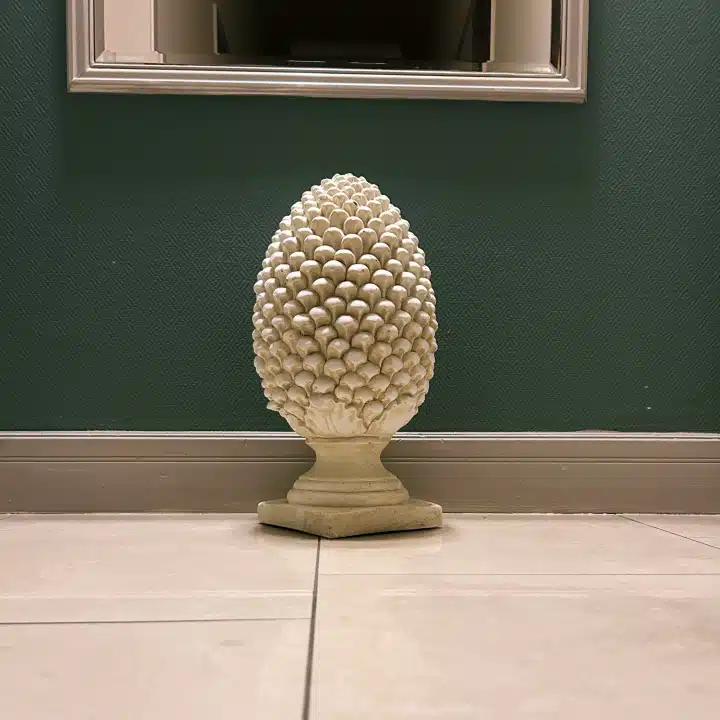
ARTICHOKE

Artichokes in the World of Hotel Piano

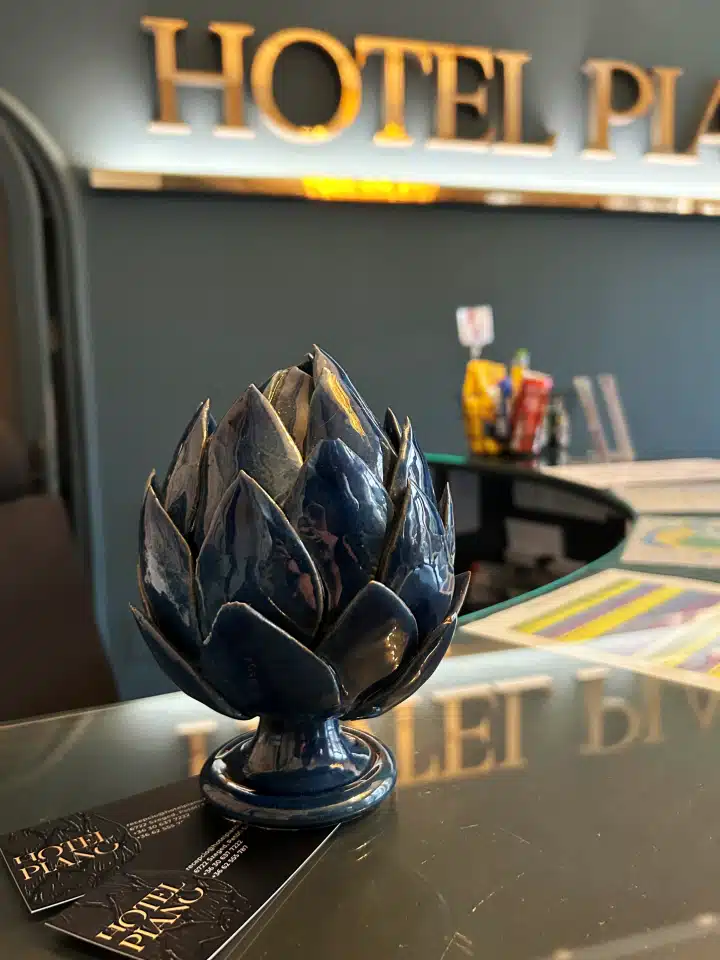
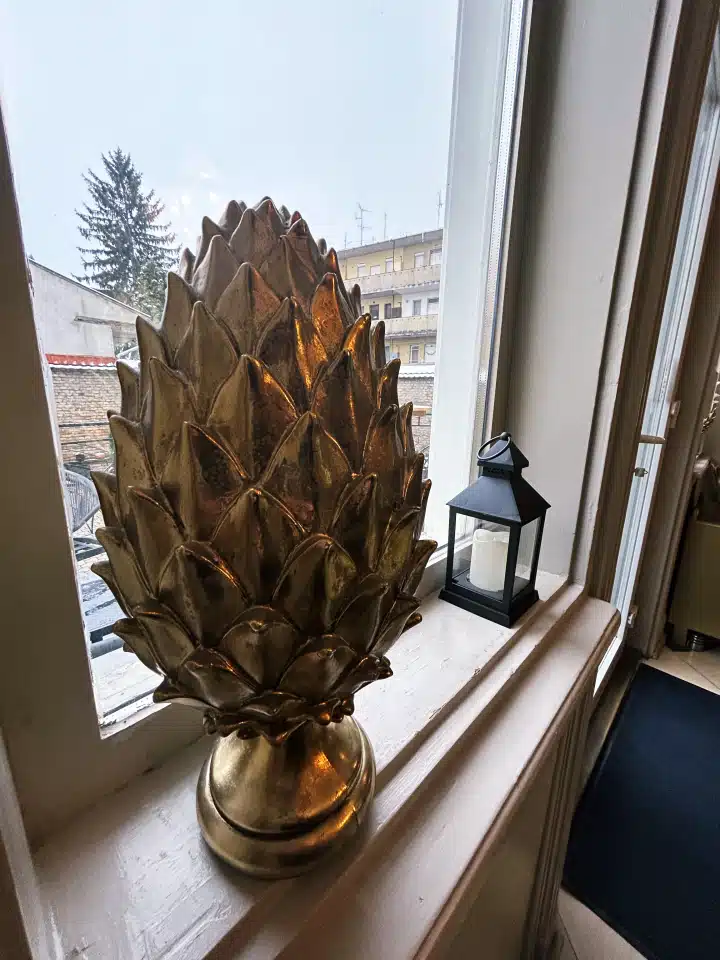
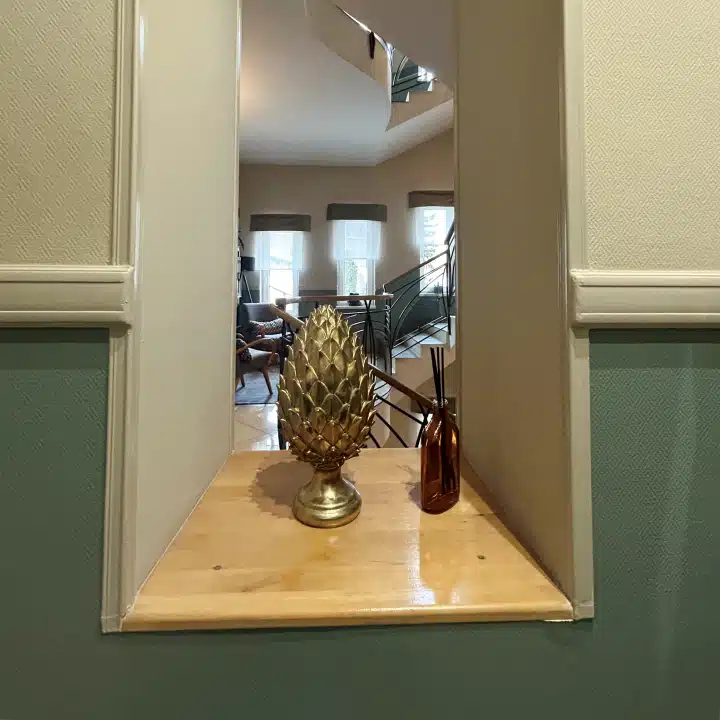
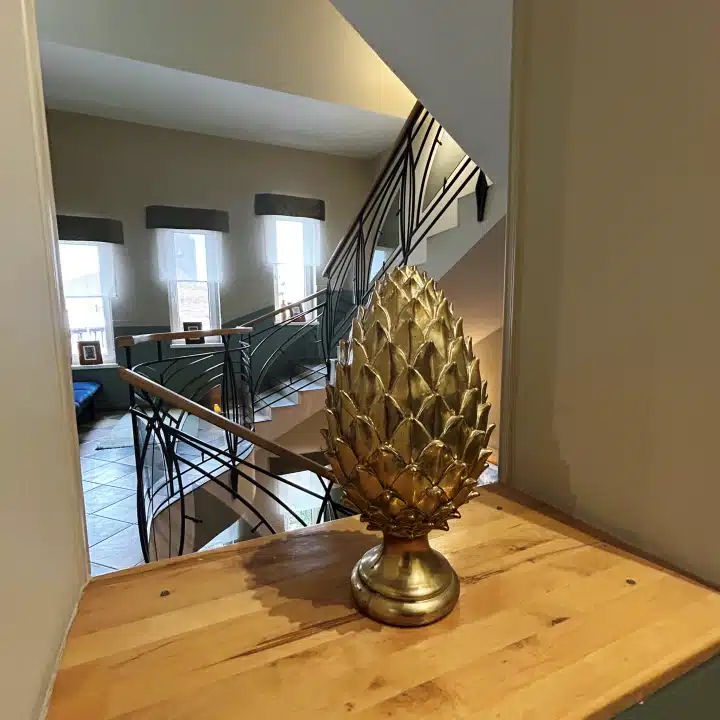
The artichoke—a visually striking and eye-catching Mediterranean plant—plays a central role in our hotel’s symbolism; in Italian culture, it is a symbol of hospitality and a sense of home. It appears in numerous forms throughout the hotel’s interior and on our promotional materials, whether as ceramic ornaments, wall decorations, or crocheted handicrafts available for purchase. It has even found a place on our breakfast buffet table, where our food-loving guests can sample it in a pickled form. Through this versatile, wonderful plant, we hope to bring the atmosphere of the Italian countryside a little closer to our guests.

The various forms of the artichoke on display at Hotel Piano:

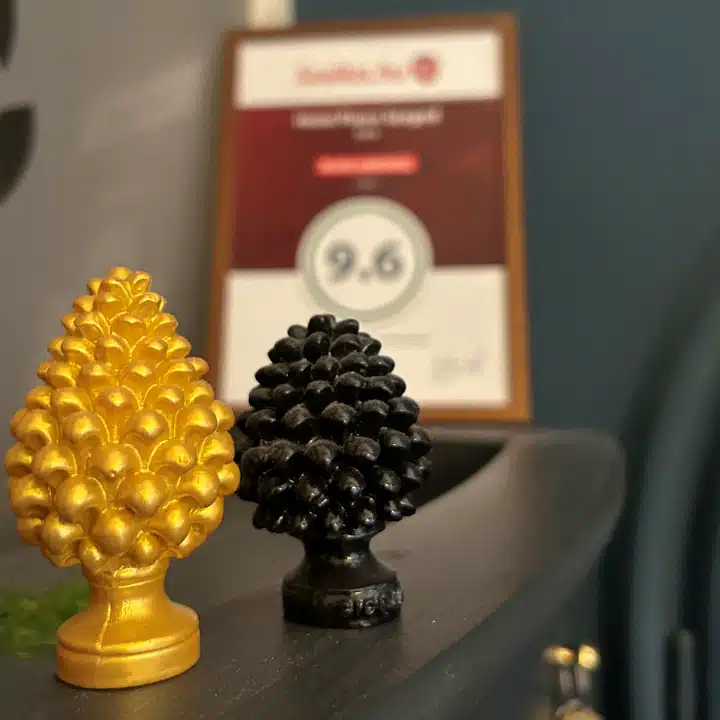
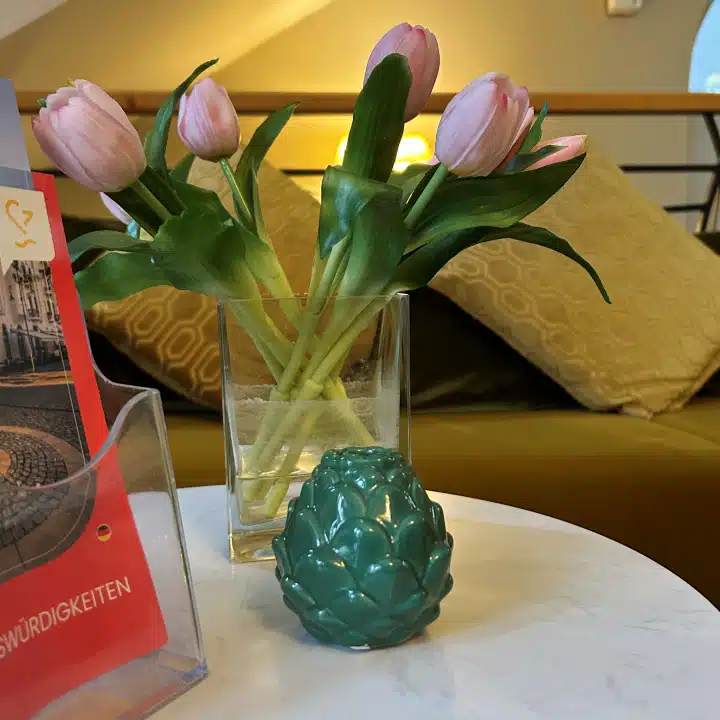
  • in ornaments and decorative items
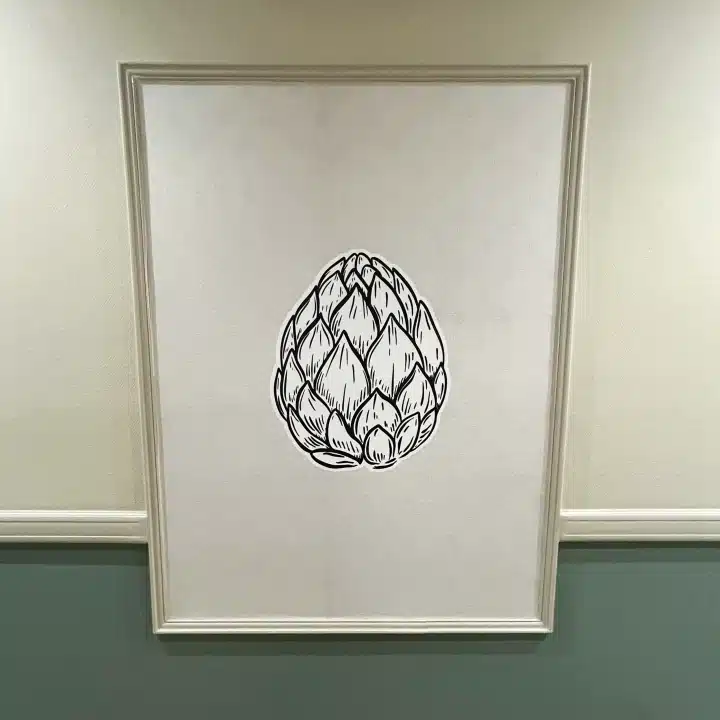
  • as part of our own graphic designs
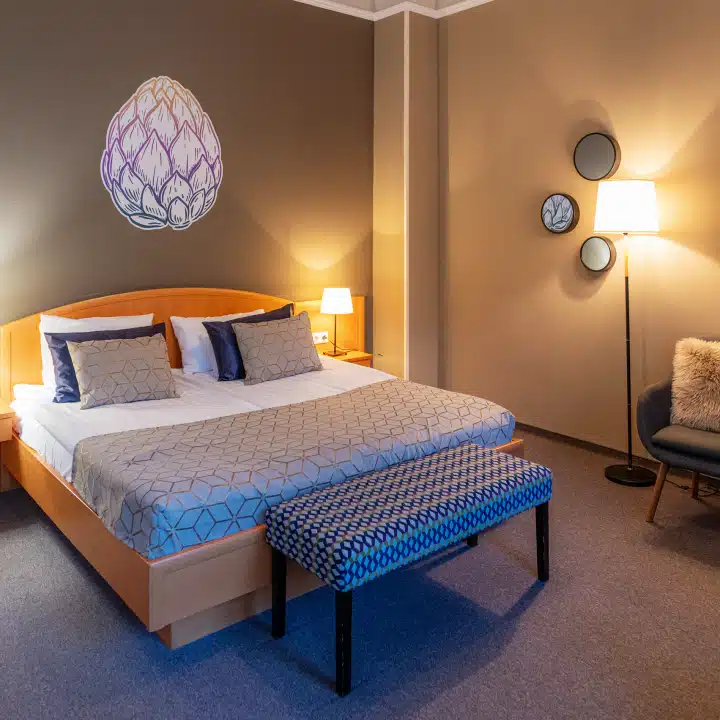
  • It adds a special touch to our interiors in the form of wall decals
  • crocheted souvenir
  • on the breakfast table, pickled


Artichoke – a favorite plant in Italian homes

The artichoke (Cynara scolymus) is a symbol of Mediterranean cuisine and culture, playing a particularly prominent role in Italy. It is known not only as a culinary ingredient but also as an important motif in the worlds of design and interior decoration due to its shape, elegant appearance, and symbolic meaning.

The Origin of the Artichoke

The plant was already cultivated by the ancient Greeks and Romans, who consumed it both as a medicinal herb and as a delicacy. According to legend, its name derives from the Greek word kýnara, and even back then it was considered a special, noble dish.

The ancient Romans believed that artichokes increased vitality and cheerfulness, which is why they were a popular dish at banquets. Among the nobility, they were considered a status symbol. The artichoke motif also appears in Renaissance architecture, particularly in the decorative elements of Florentine palaces.

The shape of the artichoke—the layered arrangement and geometric structure of its leaves—has long been a source of inspiration for art and interior design. The meaning behind its symbolism, which Hotel Piano has also embraced:

  • abundance
  • hospitality
  • natural elegance
  • the joys of Mediterranean life

Artichoke as a Medicinal Herb

The artichoke is not only a culinary delicacy but also a valuable medicinal plant. It has been used since ancient times for its digestive and detoxifying properties. In Italian folk medicine, a decoction made from artichokes has long been used to relieve stomach discomfort after heavy meals. The famous Italian liqueur, Cynar, also contains artichoke extract.

What are the health benefits of artichokes?

  • Liver-protective effect – Its active ingredient, cynarin, supports liver function and the breakdown of toxins.
  • Digestive aid – stimulates bile production and may reduce bloating and the feeling of fullness.
  • Lowering cholesterol levels – according to some studies, it may help reduce “bad” LDL cholesterol.
  • Source of antioxidants – its polyphenols help protect cells.


As an aphrodisiac

In ancient Mediterranean cultures—particularly in Italy and Greece—the artichoke was considered an aphrodisiac. It was believed to stimulate vital energy, improve blood circulation, and have an invigorating effect. In Renaissance Italy, they were often served as a special dish at noble banquets, and the plant’s status as a luxury item further reinforced its erotic symbolism.

Artichokes in Gastronomy

Artichokes are not only delicious, but also healthy.

Contains:

  • fibers
  • Vitamin C
  • antioxidants
  • minerals

What makes it special is that the inside of the flower, the “heart,” is the most valuable part, which is eaten fresh, marinated, or grilled.

Pickled artichokes can also be found at the breakfast buffet at Hotel Piano (often called carciofini sott’olio in Italian), a mouthwatering, Mediterranean-style appetizer or side dish. With its tangy, fresh, and sometimes sweet-and-sour flavor profile, it makes a unique addition to salads, sandwiches, pizzas, or antipasti platters.

Discover the versatility of artichokes—in flavor, form, and atmosphere—as a guest at Hotel Piano in Szeged!